
Unbeatable casino thrills: a philosophical dive into winning

The Allure of Chance: A Gamble on Existence
The act of gambling, at its core, represents a profound engagement with uncertainty. It’s a voluntary embrace of risk, a calculated foray into the realm where outcomes are not predetermined. This philosophical dimension of gambling speaks to a fundamental human desire to test fate, to push the boundaries of predictability and to explore the potential for extraordinary outcomes born from sheer chance. The casino environment amplifies this by creating a space where these probabilities are laid bare, offering a tangible, albeit often fleeting, connection to the unpredictable forces that shape our lives, and it is here that one might find casino magius.
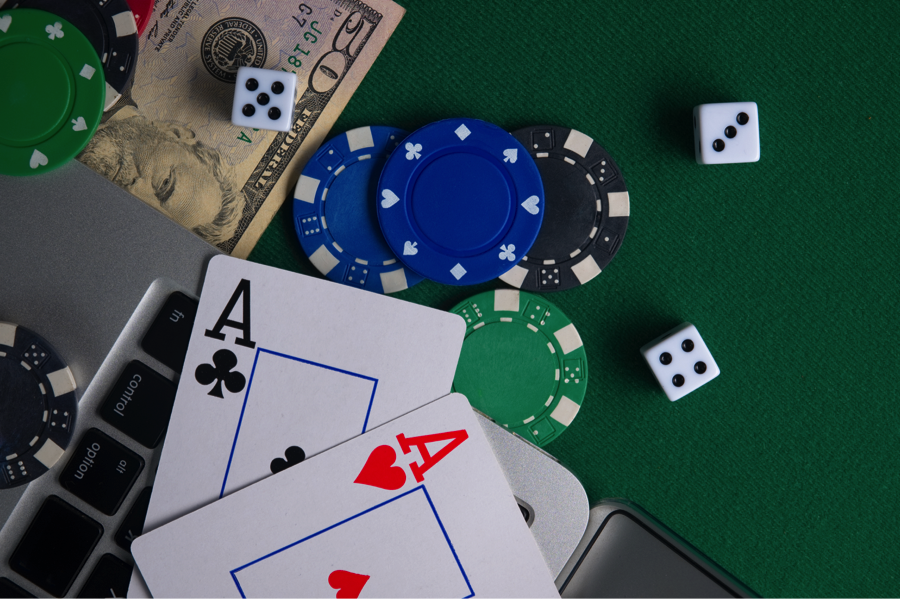
From a philosophical standpoint, gambling can be viewed as a microcosm of life itself. We constantly make decisions with incomplete information, hoping for favorable results. The casino simply formalizes this process, presenting it as a game of pure probability. The thrill arises not just from the potential for monetary gain, but from the existential engagement with the unknown, the fleeting moments of hope and despair that mirror our broader human experience of navigating an uncertain future.
Risk, Reward, and the Human Psyche
The intricate dance between risk and reward is central to the psychological appeal of gambling. Humans are inherently drawn to situations that offer the possibility of significant gains, even when the odds are stacked against them. This primal drive is amplified in the casino setting, where the tangible symbols of wealth – chips, cards, spinning wheels – represent the potential for instant gratification. The psychological reward system is activated by the anticipation of a win, creating a potent feedback loop that can be both exhilarating and, at times, dangerously compelling.
Understanding the human psyche’s response to risk is crucial when examining the phenomenon of gambling. The perceived value of a potential win often outweighs the actual probability of achieving it. This cognitive bias, coupled with the adrenaline rush associated with uncertain outcomes, forms the bedrock of the casino’s enduring attraction. It taps into our desire for excitement and the potent, albeit often illusory, promise of a life-altering windfall.
The Strategy Paradox in Games of Chance
While many casino games are fundamentally based on chance, the human inclination towards strategy is undeniable. Players often develop systems, superstitions, or perceived patterns in an attempt to exert some control over the unpredictable. This paradox highlights our inherent need for agency, even in environments designed to strip it away. The pursuit of a winning strategy, whether it’s counting cards in blackjack or betting on specific numbers in roulette, becomes a mental exercise, a way to engage actively with the game beyond mere passive observation.
The illusion of control fostered by strategic thinking can be a powerful allure. It provides a framework for decision-making, making the experience feel less random and more like a test of skill or intellect. While true strategic advantage is rare in most casino games, the psychological comfort derived from having a plan or a system is a significant component of the overall gambling experience. This engagement with perceived strategy adds another layer of complexity to the philosophical contemplation of winning.
Interpreting “Winning”: Beyond the Monetary Value
The concept of “winning” in a casino transcends mere financial accumulation. It encompasses the thrill of the moment, the satisfaction of a well-timed bet, and the sheer excitement of overcoming the odds, however improbable. For many, the true win is the experience itself – the vibrant atmosphere, the social interaction, and the mental stimulation derived from playing. The narrative of the lucky winner, the underdog who defies expectations, is a powerful cultural trope that fuels the dream and perpetuates the allure of the casino.
Philosophically, winning can be reframed as the successful navigation of uncertainty. It’s about the journey, the calculated risks taken, and the emotional rollercoaster experienced. The monetary outcome, while often the primary objective, is frequently secondary to the subjective feeling of triumph and the narrative of personal success that can be constructed around a fortunate spin or a winning hand. This broader interpretation of winning is key to understanding the deep-seated appeal of gambling.
Magius: A Platform for Responsible Engagement with Casino Thrills
While the philosophical underpinnings of gambling often focus on chance and human psychology, platforms like Magius offer a modern approach to experiencing these thrills. Magius aims to provide a structured and engaging environment for individuals to explore the world of casino entertainment. Their focus is on delivering an exciting yet controlled experience, allowing users to interact with various games and understand the dynamics of chance and outcome.
Magius emphasizes a user-centric approach, striving to offer a diverse range of options that cater to different preferences within the casino landscape. By presenting these opportunities in a clear and accessible manner, Magius enables individuals to engage with the excitement of potential wins while fostering an awareness of the underlying probabilities. Their platform serves as a curated gateway for those seeking the unique thrill of casino games, emphasizing responsible engagement with the fundamental allure of gambling.